Updated: 11/09/2024
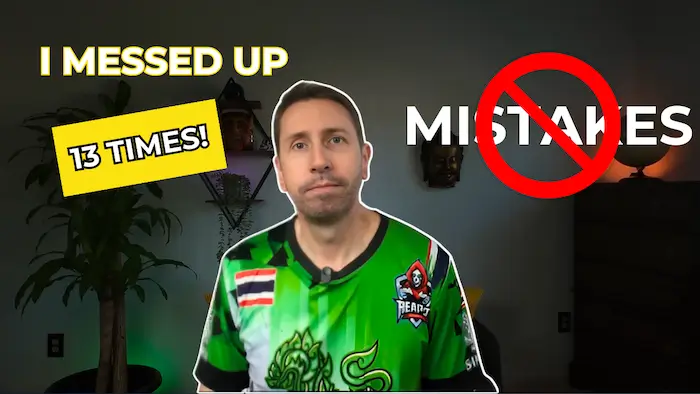
Planning for retirement can feel overwhelming, especially when you’re trying to avoid common mistakes. After retiring at 39, I realized that some missteps delayed my journey, while others kept me from achieving my goals sooner. Today, I’m sharing the biggest blunders I made so you can sidestep them on your own path to financial freedom. Below are my top 13 retirement mistakes to avoid.
1. Not Investing in Index Funds Early Enough
When I began investing, I was drawn to complex strategies: expensive mutual funds, individual stock picks, and “expert” advice. I thought I could outperform the market, but in reality, it cost me years of growth.
Lesson learned: Start with low-cost index funds that track the market. If I’d invested in them sooner, I’d have seen much larger gains over time.
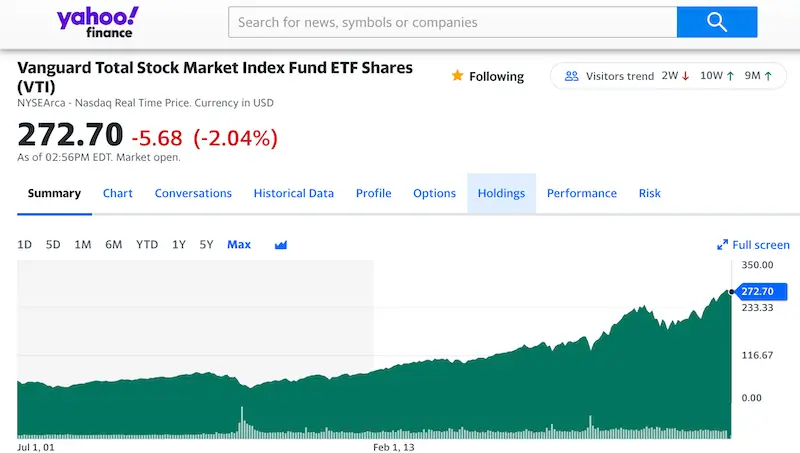
Check out my other post about ETF’s vs Index funds.
2. Waiting Too Long to Start a Travel YouTube Channel
I’ve been a long-time traveler, but I didn’t begin documenting my experiences until later. Looking back, I could’ve built a strong following and earned passive income by starting a travel YouTube channel years earlier.
Takeaway: If you have a passion or hobby, consider sharing it with others. There’s no “perfect” time to start. Begin now—you may be surprised at the opportunities that open up along the way.
3. Passing on Early Bitcoin Opportunities
Years ago, I came across Bitcoin when it was around twelve dollars. I thought about investing fifteen hundred dollars, but I hesitated and bought a tiny fraction instead. Today, that original investment could be worth millions.
Key advice: If you encounter a unique, low-cost opportunity and you can afford to take the risk, don’t ignore it entirely. Sometimes, small bets can lead to big rewards.
4. Being Too Conservative with Investments
I often opted for dividend stocks and income-generating assets. While these can be great for certain strategies, they limited my overall growth compared to the broader market.
Bottom line: Evaluate your risk tolerance and adjust your portfolio to achieve the best balance between stability and growth for your goals.
5. Investing in Bad Business Ventures
Before retiring, I started an online marketing side business. Along the way, I bought several pricey domain names that I thought would be profitable. These investments didn’t generate a return and only drained funds.
Lesson learned: Be cautious with side hustle expenses, especially if the potential for profit is uncertain. Do your research and think strategically before committing.
6. Trying to Time the Market
Like many investors, I often kept too much cash on hand, waiting for a market dip or crash that never arrived. As the market climbed, my cash sat idle, missing out on growth.
Conclusion: Timing the market rarely works in your favor. A better approach is to invest regularly, regardless of market conditions, and let compound growth work for you.
7. Underestimating the Social Impact of Early Retirement
Retiring young can be lonely. Many of my friends are still working or raising families, and without a shared schedule, it can be isolating. Traveling has helped me meet others with similar lifestyles, but I hadn’t prepared for this social shift.
Advice: If you’re retiring early, plan ways to stay socially connected. Finding a community that aligns with your values can enhance your lifestyle and help avoid isolation.
8. Starting My Side Hustle Too Late
If I’d launched my side hustle earlier, I would’ve generated more income and reached retirement faster. A side hustle doesn’t just add income—it builds skills and opens new doors.
Tip: Don’t wait to explore side income opportunities. Even a small additional income stream can help you reach financial goals sooner.
9. Spending Time in Relationships That Weren’t Aligned
Before meeting my wife, I spent years with partners who didn’t share my financial goals. Although these relationships were valuable in their own ways, they didn’t support the future I envisioned.
Lesson: Surround yourself with people who respect and support your ambitions. Time is precious, and spending it with those who share your goals can make a big difference in your journey.

10. Missing Out on Travel While I Was Younger
I didn’t begin serious traveling until after I retired, but traveling earlier might have inspired me toward a location-independent lifestyle much sooner. Seeing new places opens your mind and can even help you refine your life goals.
Advice: If you can afford to travel, do it. The experiences you gain from exploring new cultures can be transformative and provide clarity about what you want in life.
11. Falling into the Consumerism Trap
In my earlier years, I got caught up in buying name-brand clothes, gadgets, and other “luxury” items. Though I eventually moved past it, I realize now that none of it contributed to my retirement goals.
Bottom line: Living below your means isn’t just a strategy; it’s a mindset. Focus on what truly matters to you, and avoid overspending on things that don’t add value to your life.
12. Starting This YouTube Channel Too Late
Along with a travel channel, I wish I’d started this financial blog and personal finance Youtube channel sooner. Sharing my FIRE journey and financial insights could have reached—and helped—so many more people over the years. Plus, the potential for a rewarding income stream is something I could’ve benefitted from earlier.
Encouragement: If you have a message that could help others, don’t delay. There’s an audience out there waiting to learn from your experiences.
13. Not Changing Jobs Often Enough
Staying loyal to my employers meant I missed out on opportunities for pay increases that come from switching jobs. Changing jobs every few years can give you those big raises you may not see if you stay put.
Advice: If you feel stuck or underpaid, consider looking at other options. Moving to a new role or company may increase your earning potential and help you achieve your financial goals faster.
Conclusion
Retirement planning is about more than just saving money; it’s about avoiding common mistakes that can slow you down. By learning from these blunders, you can create a path that’s smoother and even more rewarding.
Take these lessons to heart and steer clear of these pitfalls on your own journey to financial independence.
If you found this post helpful, be sure to check out the 6 Things I Don’t Do Anymore After 40.

 6 Things I Don’t Do Anymore After 40


Leave a Reply