
Updated: 11/09/2024
Retirement is often seen as a time to relax and enjoy the fruits of our labor, but the reality can be quite different if we don’t make a conscious effort to simplify our lives. I’ve learned that minimalism doesn’t mean depriving yourself. Instead, it’s about finding joy in simplicity and focusing on what truly matters. After retiring early, I discovered the freedom and peace that come with living minimally. Here are 9 tips that have helped me lead a more intentional, yet fulfilling, retirement lifestyle.
1. Start with Decluttering Your Space
When my husband and I retired, we realized how much stuff we’d accumulated over the years. I’ll be honest, it was overwhelming. So, we decided to tackle it one room at a time. We donated, sold, or gave away items that we no longer needed or hadn’t used in years. It was amazing to see how much space (and peace) we gained by simply letting go.
One of the biggest changes was downsizing our wardrobe. I used to have clothes I hadn’t worn in years, but after cutting down to just the essentials, I felt lighter. Plus, I didn’t have to waste time deciding what to wear each day!
Pro Tip: Start small. Pick a drawer, a closet, or a room, and sort through it. You’ll be surprised how liberating it feels to let go of things that no longer serve you.
2. Embrace Experiences Over Things
I used to think that buying things would make me happy, but over time I realized that experiences brought me more joy than anything I could purchase. After we retired, we decided to focus our spending on experiences rather than material goods. We’ve traveled to beautiful places, tried new foods, and even picked up hobbies we never had time for before.
For example, I took up gardening. I find so much joy in growing my own herbs and vegetables, and it’s a simple, satisfying way to spend my mornings. It’s one of those little things that makes life feel rich and full.
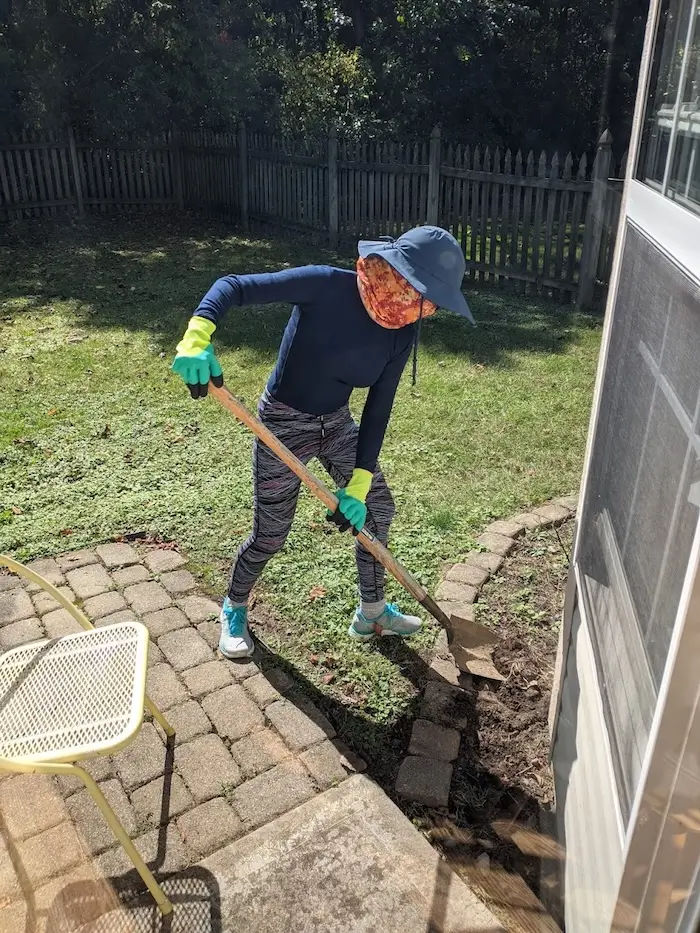
Pro Tip: Allocate part of your budget to experiences, whether it’s a weekend getaway, tickets to a concert, or a new hobby. These are the things you’ll remember and cherish.
3. Reevaluate Your Budget & Spending
After retiring, we took a hard look at our finances. We realized that some of our spending habits from our working years didn’t make sense anymore. So, we created a new budget that reflected our new lifestyle. We cut out unnecessary subscriptions, reduced dining out, and found ways to save on everyday expenses.
For instance, we rarely watch TV, so no streaming services for us. I also started meal planning, which not only saved money but also reduced food waste. These little changes made a big difference over time, and we could spend more on things that truly brought us joy.
Pro Tip: Track your spending for a month to see where your money goes, then adjust your budget to reflect your priorities. You don’t have to cut out everything; just make sure your spending aligns with what’s important to you.
4. Downsize Your Home if Possible
While my husband and I chose to stay in our home, we’ve seen the benefits of downsizing for others, and it’s something worth considering. A smaller home means lower utility bills, less maintenance, and fewer things to clean, which can free up both time and money. We’ve met retirees who found that moving to a cozier, more manageable space allowed them to spend less on upkeep and more on things that brought them joy, like travel or hobbies.
We didn’t downsize because our home still fits our lifestyle perfectly, but I can see why it might make sense for others. If maintaining a large house feels like a burden, or if your priorities have shifted, downsizing could be a smart move. Think of it as a way to simplify and focus on what matters most, without the distraction of managing a big, empty space.
Pro Tip: Evaluate your current home situation. If it’s more than you need, consider how a smaller space could give you more freedom in retirement. The goal is to create a living situation that suits your lifestyle and allows you to thrive.
5. Eat Simply, Eat Well
One of my favorite parts of retiring has been focusing more on my health, especially when it comes to eating. I’ve found that cooking simple, nutritious meals at home not only saves money but also brings a lot of satisfaction. There’s something about making a meal from scratch, sitting down, and enjoying it without the rush of a workday.
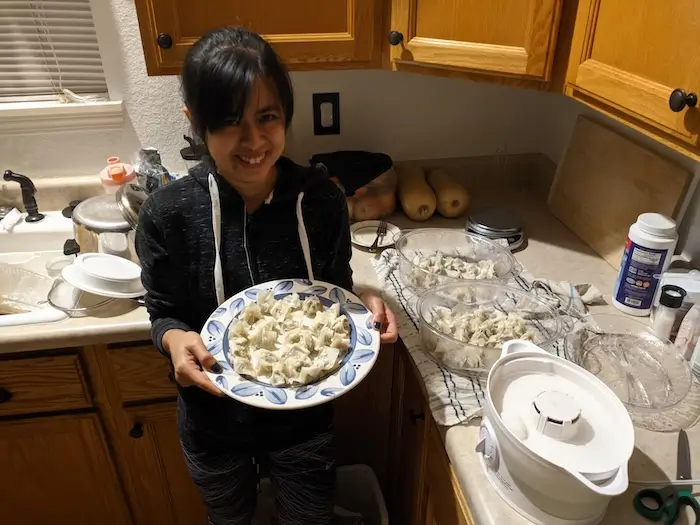
I love experimenting with fresh ingredients and have even started growing my own herbs. It’s a small way to stay connected to what I eat, and it makes cooking feel less like a chore and more like a joy.
Pro Tip: Plan your meals and keep them simple. You don’t need to be a gourmet chef; just focus on fresh, whole ingredients that make you feel good.
6. Simplify Your Daily Routine
One of the biggest shifts I noticed after retiring was how different my daily routine became. I no longer had a strict schedule, but I still needed some structure. So, I created a simple morning routine that sets a positive tone for the day. It includes a little stretching, a cup of coffee, and time in the garden. It’s simple, but it makes me feel grounded.
I realized that I didn’t need to fill my days with endless tasks. Instead, I focus on a few things that truly matter, like spending time with my husband, staying active, and enjoying our hobbies.
Pro Tip: Think about your ideal day and find a routine that works for you. It doesn’t have to be packed with activities; sometimes less is more.
7. Find Joy in Simple Pleasures
Living a minimal life doesn’t mean you’re giving up joy—it means you’re finding it in unexpected places. One of my favorite moments is enjoying a cup of coffee on our porch, watching the sunrise. It’s a small, quiet pleasure, but it makes me feel at peace and grateful for this stage of life.
We’ve also made a habit of taking evening walks together. It’s such a simple thing, but it gives us time to reflect on the day and enjoy each other’s company. These are the little moments that make life feel rich.
Now, I find happiness in even the simplest of things, such as making my first snowman!

Pro Tip: Take time to notice and appreciate the small things. You don’t need extravagant experiences to feel fulfilled—sometimes, the simplest pleasures bring the most joy.
Check out these 5 Things You Should Stop Caring About for a Happier Retirement.
8. Focus on Health and Wellness
I learned quickly that staying active is key to a happy retirement. I’ve tried different activities, from going to the gym to cycling, and found that it’s not about pushing myself but just moving regularly. It helps keep my body strong and my mind clear.
Combined with eating well, regular exercise has made a huge difference in how I feel day to day. I’m not just living longer; I’m living better.
Pro Tip: Find an activity you enjoy so it feels less like exercise and more like a hobby. The goal is to stay active in a way that makes you feel good.
9. Let Go of What You Can’t Control
Retirement has taught me to let go of the things I can’t control, whether it’s worries about the future or past regrets. I’ve found peace in accepting that I can’t change everything, and that’s okay. What I can do is focus on the present and enjoy the moment.
I’ve started practicing mindfulness, even if it’s just a few minutes of deep breathing or a quiet moment in the garden. It helps me stay calm and focused on what’s truly important.
Pro Tip: When you find yourself feeling anxious, take a moment to breathe and remind yourself to let go. Focus on the things that bring you peace.
Conclusion: Living Minimal, Living Full
Retirement is a chance to slow down and truly live, and I’ve found that embracing minimalism has made it even more fulfilling. It’s not about giving up—it’s about making room for what matters most. I hope these 9 tips inspire you to simplify your life and find joy in this new chapter.
Have your own tips for a minimal, yet full retirement? Share them in the comments—I’d love to hear from you!

 5 Things You Should Stop Caring About for a Happier Retirement


Leave a Reply